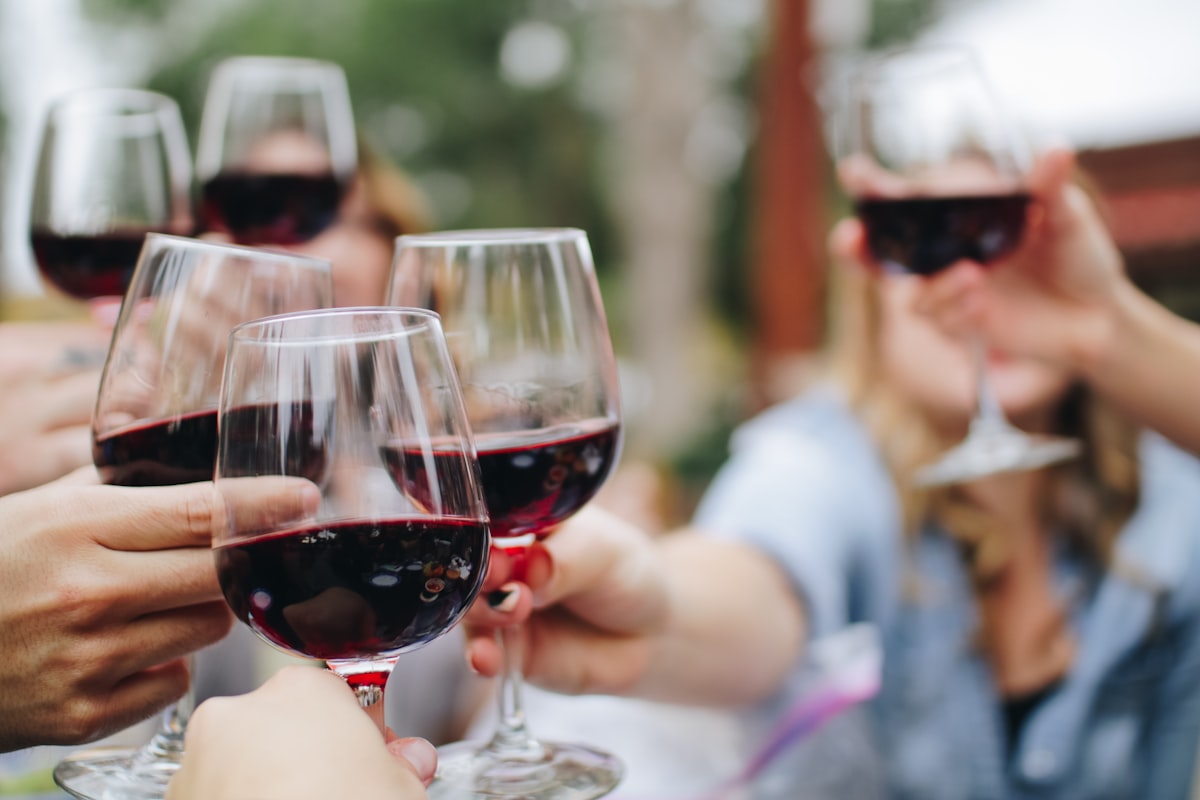
Port wine isn't made in Porto—it's made in the Douro Valley, then aged and exported from Vila Nova de Gaia, just across the river from Porto's Ribeira district. This riverside slope is stacked with wine lodges (caves in Portuguese), each offering tastings, tours, and river-facing terraces.
With over 20 cellars to choose from, here's how to plan a wine tour that actually teaches you something.
How Port Wine Works (The 30-Second Version)
Port is fortified wine—brandy is added during fermentation, stopping the process and preserving natural grape sugar. The result is sweet, high-alcohol (19-22%), and age-worthy.
Styles you'll taste:
- Tawny: Aged in barrels, amber-brown, nutty, oxidative
- Ruby: Younger, fruitier, aged in bottle
- White Port: Made with white grapes, increasingly popular for cocktails
- Vintage: Single exceptional year, ages in bottle for decades
- LBV (Late Bottled Vintage): Vintage style aged longer before release
Most tours cover the aging process and end with tastings of 2-4 styles.
The Best Cellars for Tours
Graham's (W & J Graham & Co.)
Why go: Best views in Gaia. The terrace overlooks Porto with the river in between. Modern museum-quality exhibits. English-owned (since 1820) so tours run smoothly.
The tour: 45 minutes through working cellars, aging warehouse, interactive museum. Ends on that terrace.
Tasting options: Classic (3 ports €18), Premium (vintage and tawny €28), Chocolate pairing (€35)
Book: Affiliate: Graham's official booking or book ahead—popular times sell out.
Skip if: You want a small-group, family-run experience. Graham's is polished and corporate.
Taylor's
Why go: Beautifully maintained 300-year-old cellars. Extensive gardens. Excellent vintage port program. Same family since 1692.
The tour: Self-guided audio tour (multilingual) through historic buildings and working cellars. More flexible than fixed-time guided tours.
Tasting options: Standard (3 ports €15), Premium (4 ports €25), Vintage flight (€45)
Bonus: Restaurant on site (Barão de Fladgate) with terrace lunch overlooking Porto.
Sandeman
Why go: Marketing masterpiece since 1928. The "Don" silhouette is iconic. Centrally located at the foot of the bridge—easiest to reach.
The tour: One of the best traditional guided options. 30-45 minutes through historic cellars with good storytelling.
Tasting options: Classic (3 ports €16), Premium (4 ports including 20-year tawny €25)
Good for: First-timers wanting the classic "Porto wine cellar" experience.
Croft
Why go: Oldest port house (founded 1588). Focus on organic and sustainable viticulture. Less crowded than the big names.
The tour: Smaller groups, more intimate. Good focus on modern production alongside tradition.
Tasting options: Standard (€14), Pink Port experience (Croft invented pink Port)
Good for: Port drinkers wanting something beyond the standard tawny/ruby lineup.
Cálem
Why go: Central location, fado performances with tastings, budget-friendly option.
The tour: Interactive museum approach, multimedia exhibits.
Tasting options: Basic (3 ports €12), Tasting + Fado show (€25)
Skip if: You're serious about wine. The fado show is tourist-oriented.
Alternative Wine Experiences
Walking Tours with Multiple Tastings
Instead of deep-diving one cellar, some tours hit 3-4 smaller lodges with short tastings at each.
Recommended: Affiliate: GetYourGuide - Porto wine walking tour covers history plus multiple tastings in 3 hours.
Douro Valley Day Trips
See where the grapes actually grow. Most include visits to 2 quintas (wine estates), river cruise, and lunch.
Recommended: Affiliate: Viator - Douro Valley wine tour from Porto
Private/Small Group Tours
For groups of 4+ or serious enthusiasts, private guides arrange visits to cellars not open to the public and behind-the-scenes tastings.
Recommended: Affiliate: GetYourGuide - Private Porto wine experience
How to Plan Your Wine Tour
Start early. Cellars open at 10 AM. The light is better for photos, crowds are thinner, and you'll taste with a fresh palate.
Do 2-3 max. Port is 20% alcohol. After three full tastings, everything tastes the same and you'll need a nap.
Eat first. Bread and cheese plates are available at most cellars, but have a proper breakfast.
Walk across the bridge. The Dom Luís I Bridge upper deck gives you the approach Gaia deserves. From Porto's Ribeira, it's a 10-minute walk to most cellars.
Combine with other Gaia activities:
- Teleférico de Gaia (cable car to hilltop)
- Mosteiro da Serra do Pilar (views and church)
- Jardim do Morro (park with Porto skyline views)
Booking Tips
- Online ahead: Most offer 10% discount for advance booking
- Time your visit: Avoid 2-4 PM (tour bus crowds)
- Group size: Ask about maximum group size if you prefer intimacy
- Languages: Verify your language is offered (English almost always is; others vary)
What to Buy (and Skip)
Buy:
- 10 or 20 Year Tawny: Excellent value, ready to drink, keeps 2-3 months after opening
- Single-Quinta Vintage: Affordable alternative to declared vintage years
- White Port: Versatile, mix with tonic for Portônico cocktail
Skip:
- Ruby Port: Fine for cooking; drinkable but uninteresting
- Cheap "Port-style" wines: Real Porto DOC only
- Merchandise: The aprons and glasses are overpriced tourist junk
Shipping: Most cellars ship internationally. Better than cramming bottles in luggage.
Budget Breakdown
| Experience | Cost | Time |
|---|---|---|
| Single cellar self-guided | €12-18 | 1 hour |
| Single cellar guided | €16-28 | 1.5 hours |
| 3-cellar combo ticket | €35-45 | 3 hours |
| Walking tour | €45-65 | 3 hours |
| Douro Valley day trip | €80-150 | 8 hours |
| Private guide | €200+ | Flexible |
The Bottom Line
Pick Graham's for views, Taylor's for history, Croft for intimacy, or a walking tour for variety. Start early, pace yourself, and remember: you're tasting fortified wine that packs a punch. Spit if you're doing multiple tours, or plan to linger on a terrace until the alcohol wears off.
Related: Douro Valley Day Trip from Porto | Best Time to Visit Portugal