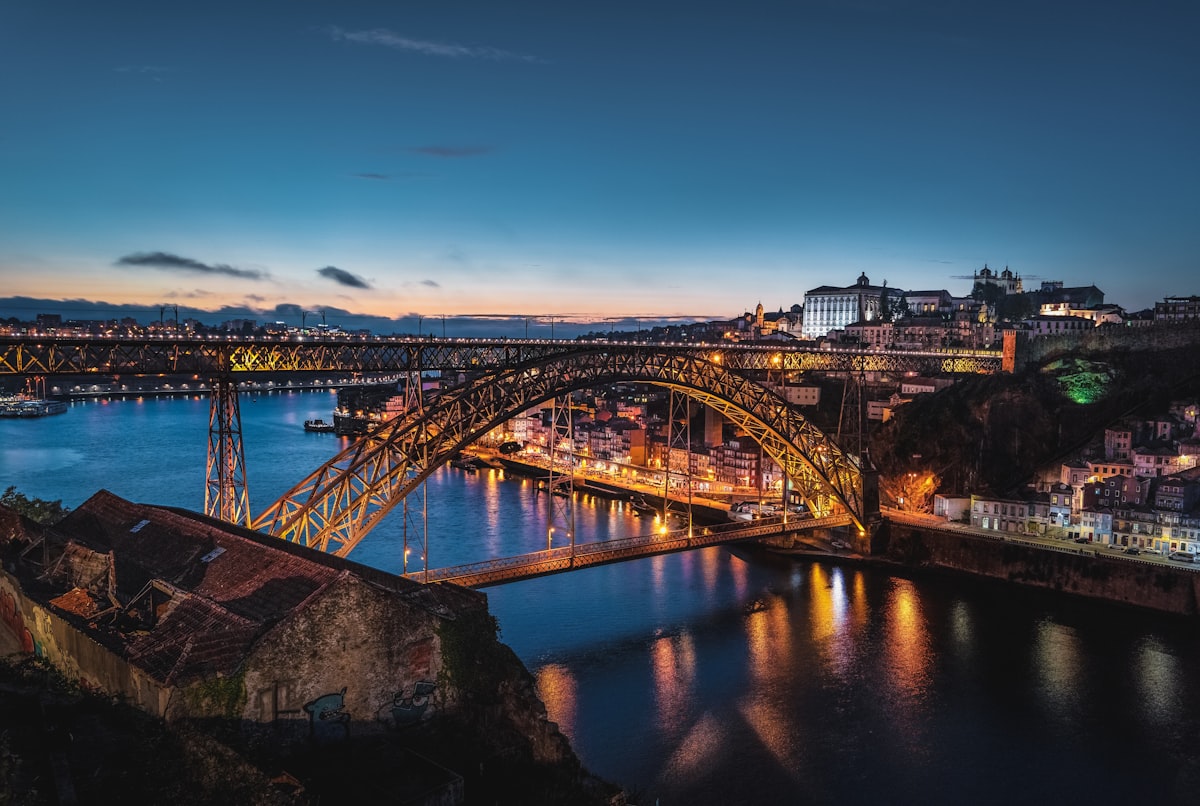
The Douro Valley is not merely a wine region. It is a landscape that has been shaped by wine for two thousand years — terraced hillsides carved by hand, stone walls built without mortar, a river that has carried barrels to Porto since the Romans first planted vines. To visit the Douro as a wine traveller is to understand that the wine in your glass is inseparable from the place that produced it.
This guide is written for those who want more than a tasting room and a souvenir bottle. It covers the quintas that matter — the estates where wine is made with intention and tradition — and explains how to visit them well. It includes a three-day itinerary, practical advice on booking and transport, and an honest assessment of what the Douro does brilliantly and where it still struggles.

## Understanding Douro Wine

Before you visit, it helps to understand what you are drinking. The Douro is the world's oldest demarcated wine region — its boundaries were fixed in 1756, almost two centuries before France established its appellation system. The region produces three distinct categories of wine:

**Port:** The fortified wine that made the Douro famous. Grapes are crushed and fermented for a short period before grape spirit is added, stopping fermentation and preserving natural sweetness. The wine is then aged — in bottle for Vintage Port, in cask for Tawny. The best Ports are extraordinary: complex, age-worthy, and unlike any other wine.

**Douro DOC reds:** The table wines that have transformed the region's reputation in the past two decades. Made from the same grapes as Port — primarily Touriga Nacional, Touriga Franca, and Tinta Roriz — but fermented dry. The best examples are dense, structured, and capable of ageing for decades. They are also, by international standards, underpriced.

**Douro DOC whites:** Less celebrated than the reds but increasingly impressive. Made from indigenous varieties — Viosinho, Rabigato, Gouveio — they range from crisp and mineral to rich and barrel-fermented. The high altitude vineyards in the Douro Superior produce whites of remarkable freshness.

## The Quintas That Matter

The Douro has hundreds of quintas, from small family farms to corporate-owned estates. These are the ones that offer the most rewarding experiences for visitors:


  #### Quinta do Noval

  Historic Port House / Nacional Vineyard
  One of the great historic Port houses, famous for Nacional — a wine made from ungrafted vines that survived phylloxera. The estate offers comprehensive tours that include the Nacional vineyard, the old stone lagares, and tastings that range from standard Ports to rare vintages. Book well in advance — tours are limited to small groups and fill up quickly. The 1963 Nacional is widely considered among the greatest Ports ever produced; tasting it is a privilege reserved for those willing to pay.


  #### Quinta do Crasto

  Family Estate / Foot-Treading Tradition
  A family-owned estate that has become one of the Douro's most respected producers. The tour includes the old stone lagares where grapes are still foot-trodden during harvest — not for tourists, but because it genuinely produces better wine. The view from the estate's infinity pool is among the best in the valley. Tastings are generous and educational, led by staff who clearly love what they do.


  #### Quinta do Vallado

  Historic Estate / Modern Winery
  Established in 1716, Vallado combines history with modernity. The original winery buildings have been converted into a museum of traditional Douro life, while a striking contemporary winery — designed by architect Francisco Vieira de Campos — handles production. The wine hotel offers comfortable rooms and a restaurant that serves estate-produced wine with every course. The tour is thorough without being tedious, and the tastings include both Port and table wines.


  #### Quinta da Côrte

  Intimate / Organic / Family-Run
  With just eight rooms and organic vineyards, Côrte offers the most intimate experience in the Douro. The family lives on the estate, cooks the meals, and leads the tours. There is no script, no corporate polish — just genuine hospitality and excellent wine. The pool appears to float above the valley, and the home-cooked dinners are reason enough to stay. Not for those who require luxury amenities, but perfect for those who value authenticity.


  #### Quinta de la Rosa

  Family Estate / Riverside Location
  Located near Pinhão, La Rosa has been in the Bergqvist family for over a century. The estate produces both Port and table wines, with a focus on traditional methods and indigenous varieties. The tour includes the winery, the ageing cellars, and a tasting on the terrace overlooking the river. The family's hospitality is warm and unpretentious — this is what the Douro was like before luxury hotels arrived.


## How to Book Tastings

The best tastings require advance booking — ideally two weeks ahead, longer during harvest season (September–October). Most quintas accept bookings by email or through their websites. Some tips:


  - **Book directly with the quinta** rather than through third-party tour operators. You will get a better experience at a lower price, and the quinta keeps the full fee.

  - **Request a comprehensive tour** rather than a standard tasting. The difference is significant — vineyard walks, cellar visits, and food pairings transform a tasting into an education.

  - **Specify your interests** when booking. If you are particularly interested in organic viticulture, traditional methods, or a specific wine style, say so. Most quintas will tailor the experience.

  - **Confirm 48 hours before** your visit. The Douro is not always efficient — emails go unanswered, bookings get lost. A quick confirmation call ensures your slot is secure.

  - **Be punctual**. Quintas run tours on tight schedules, especially during busy periods. Arriving late means missing part of the experience.


## Where to Stay

Accommodation in the Douro ranges from world-class luxury to rustic simplicity. The right choice depends on your priorities:

**Six Senses Douro Valley** — The valley's most luxurious property. A 19th-century manor house transformed into a wellness sanctuary with an infinity pool, organic spa, and a wine academy where guests can blend their own Port. From €450/night. Book well in advance.

**Quinta do Vallado Wine Hotel** — Comfortable rooms in a converted winery building, with direct access to the estate's tastings and restaurant. More affordable than Six Senses but still refined. From €180/night.

**Quinta da Côrte** — Intimate, family-run, and utterly charming. Eight rooms, organic vineyards, home-cooked meals, and a pool that seems to hang above the valley. From €150/night.

**Casa de Casal de Loivos** — Simple, clean rooms with valley views from €80/night, including breakfast on a terrace that will ruin you for all other breakfasts. The perfect budget option.

## Getting Around

A car is essential for exploring the Douro independently. The valley's roads are narrow and winding, but the scenery rewards the effort. Hire a car in Porto — the drive to the heart of the Douro takes about 90 minutes along the N222, regularly voted one of the world's most beautiful roads.

For those who prefer not to drive, the train from Porto (São Bento station) follows the river to Pocinho. The journey takes just over two hours and offers views that no road can match. Sit on the right-hand side heading east. From the stations at Régua and Pinhão, taxis and local tour operators can take you to nearby quintas.

Organised tours from Porto are another option, though quality varies enormously. Small-group tours (maximum eight people) offer a better experience than large coach excursions. Expect to pay €100–150 per person for a full-day tour including tastings.

## The Perfect 3-Day Itinerary


  #### Day One: Arrival and the Lower Douro


    - **Morning:** Drive from Porto to Peso da Régua (90 minutes). Stop at the Miradouro de São Leonardo de Galafura for the first panoramic view of the valley.

    - **Lunch:** Castas e Pratos in Régua — modern Portuguese cooking in a converted railway warehouse.

    - **Afternoon:** Tour and tasting at Quinta do Vallado. Allow two hours for the full experience.

    - **Evening:** Check into your hotel. Dinner at the hotel restaurant or a short drive to DOC in Folgosa — chef Rui Paula's riverside restaurant with one of the best wine lists in the valley.


  #### Day Two: The Heart of the Valley


    - **Morning:** Drive the N222 from Régua to Pinhão — 27 kilometres of road that hugs the river so closely you can almost touch the water. Stop wherever the view demands.

    - **Midday:** Tour and tasting at Quinta do Crasto. Request the harvest experience if visiting in September — foot-treading in the lagares is unforgettable.

    - **Lunch:** Picnic among the vines arranged by Crasto, or lunch at Veladouro in Pinhão — simple, honest cooking with river views.

    - **Afternoon:** Walk through Pinhão, visit the railway station's azulejo panels, and take a short river cruise on a traditional rabelo boat.

    - **Evening:** Dinner at Quinta da Côrte if you are staying there — the home-cooked meals are a highlight. Otherwise, drive to Lamego for dinner at Mesa de Lemos.


  #### Day Three: The Upper Douro and Departure


    - **Morning:** Drive east into the Douro Superior — wilder, less visited, and increasingly exciting for wine. Visit Quinta do Noval for the Nacional vineyard tour.

    - **Lunch:** Bar de São João in Foz Côa — rustic, local, and unpretentious. The posta mirandesa is the dish to order.

    - **Afternoon:** Visit the Côa Valley Archaeological Park — prehistoric rock art that rivals anything in Europe. A reminder that this valley has been inhabited for millennia.

    - **Evening:** Drive back to Porto, or stay one more night in the Douro and depart in the morning. The sunset from the N222 is worth the extra night.


## What to Eat in the Douro

Douro cuisine is designed to accompany strong wine. The flavours are bold, the portions generous, and the ingredients local.

**Posta mirandesa:** Thick-cut beef steak from the Mirandesa breed, grilled over charcoal and served with roasted potatoes. The region's most famous dish, and available in almost every restaurant.

**Bacalhau à lagareiro:** Salt cod roasted with garlic and olive oil until the skin crackles. A speciality of the region's tascas.

**Arroz de pato:** Duck rice baked until the top layer turns crisp. Best eaten in a village restaurant with a glass of young red Douro.

**Queijo da serra:** Soft sheep's milk cheese from the nearby Serra da Estrela. Spread it on bread with honey from the valley's wildflower meadows.

## When to Visit

**Harvest (September–October):** The most atmospheric time, when the valley is alive with activity. Grape pickers on the slopes, tractors on the roads, the sound of traditional foot-treading in the lagares. Accommodation books up months in advance, and quintas are busy — but the experience is unforgettable.

**Spring (March–May):** Mild weather, blooming wildflowers, and fewer visitors. Ideal for those who prefer their wine tastings uninterrupted.

**Autumn (November):** The vines turn gold and red, the crowds thin, and the light is at its most beautiful. Many quintas offer special events around St. Martin's Day (November 11), when the new wine is tasted with roasted chestnuts.

**Winter (December–February):** Cold, often foggy, occasionally snow-dusted. Many quintas close or reduce hours, but those that remain open offer an intimacy that the busier seasons cannot match.

## What the Douro Gets Wrong

For all its beauty, the Douro is not without problems. The valley's popularity has surged in the past decade, and the infrastructure has not always kept pace. During harvest season, the narrow roads clog with tractors and tour buses. Accommodation prices have risen sharply — what was once an affordable wine region now rivals Tuscany for peak-season costs. And the environmental impact of terraced viticulture, while visually spectacular, raises questions about soil erosion and water use that the region is only beginning to address.

Some quintas have responded to overtourism by limiting visitor numbers or raising prices to the point where they exclude all but the wealthiest travellers. Others have embraced the crowds, sacrificing quality for volume. The challenge for visitors is to find the producers who have maintained their standards — and their soul — amid the boom.

## Practical Tips


  - **Bring cash** for smaller quintas and village restaurants. Card payments are not always accepted.

  - **Wear sturdy shoes** for vineyard walks. The schist paths are slippery and uneven.

  - **Designated driver** — Essential if you are driving. Spitting is acceptable at tastings, but even small amounts add up across multiple quintas.

  - **Book restaurants in advance** during harvest season. The best places fill up quickly.

  - **Learn a few Portuguese phrases**. English is widely spoken in the larger quintas, but a "bom dia" goes a long way in village cafés.

  - **Buy wine to ship home** — Most quintas offer shipping services. The cost is reasonable, and the wines are often unavailable outside Portugal.


## The Douro in Your Glass

> "The Douro does not make wine for tourists. It makes wine because it has always made wine, because the schist soil and the steep slopes and the blazing sun produce grapes that demand to be transformed. The fact that visitors can now share in that transformation is a relatively recent development — and one that the valley is still learning to accommodate."

The best Douro wines — whether Port or table wine — share certain characteristics: intensity, structure, and a mineral edge that comes from the schist soil. They are not subtle wines. They demand attention, and they reward patience. A young Touriga Nacional can be almost aggressively tannic; after ten years in bottle, it becomes something else entirely — complex, layered, and utterly distinctive.

To visit the Douro is to understand this transformation — to see the vineyards, meet the people, taste the wines at source, and carry that understanding home in your luggage and your memory. The bottles you bring back will taste different — better — for having been bought in the place that made them.


  Douro Valley
  Wine Travel
  Port Wine
  Quintas
  Itinerary
  Portugal